What an AI taskforce should actually produce (and what it enables)
-
 Moe Hachem
 - April 16, 2026
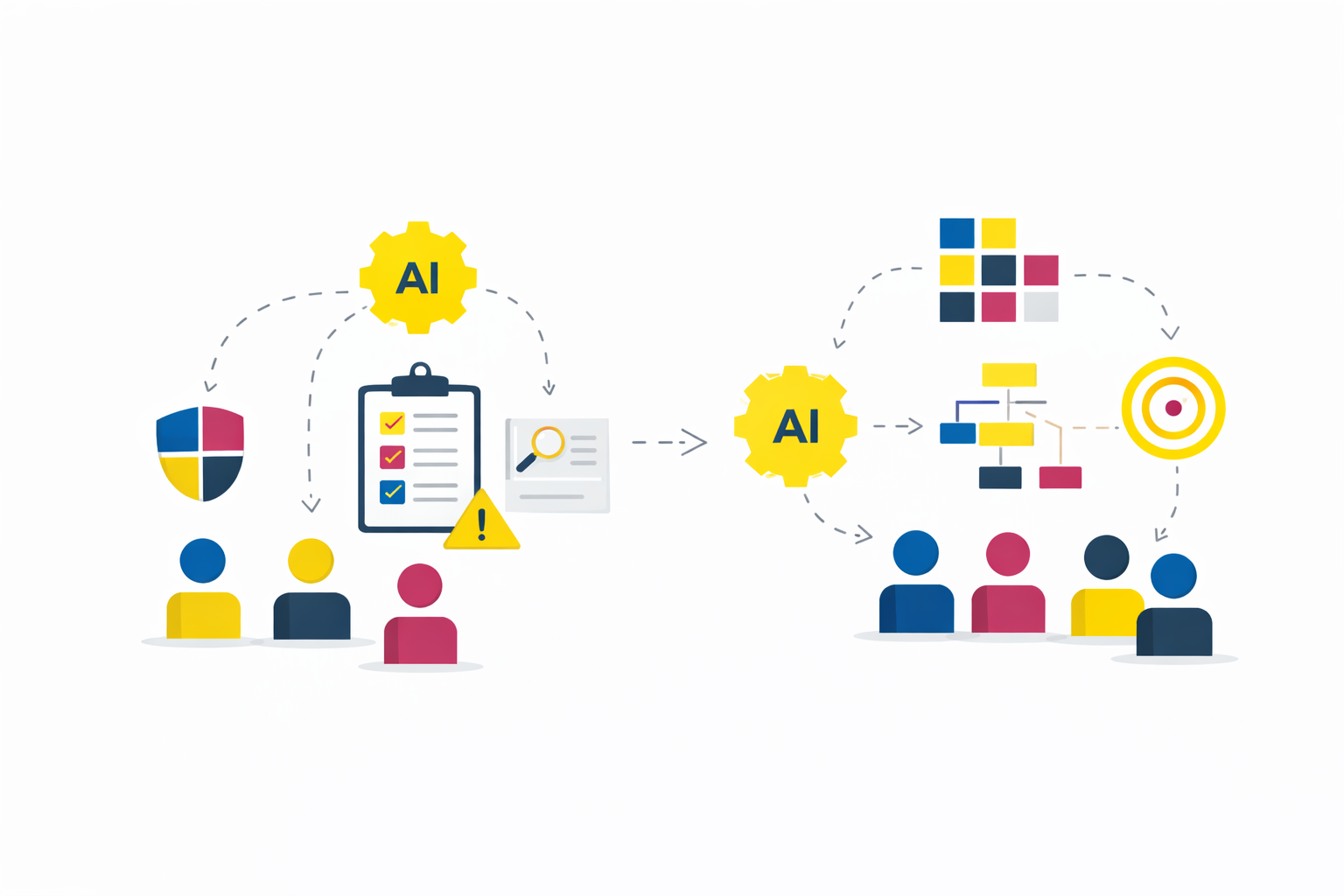
What does a team actually walk away with from an AI integration workshop?
Sure, I can give you a list of deliverables, but that’s not the most useful framing, so I’ll give you both — the concrete outputs and what they actually enable.
The five concrete outputs
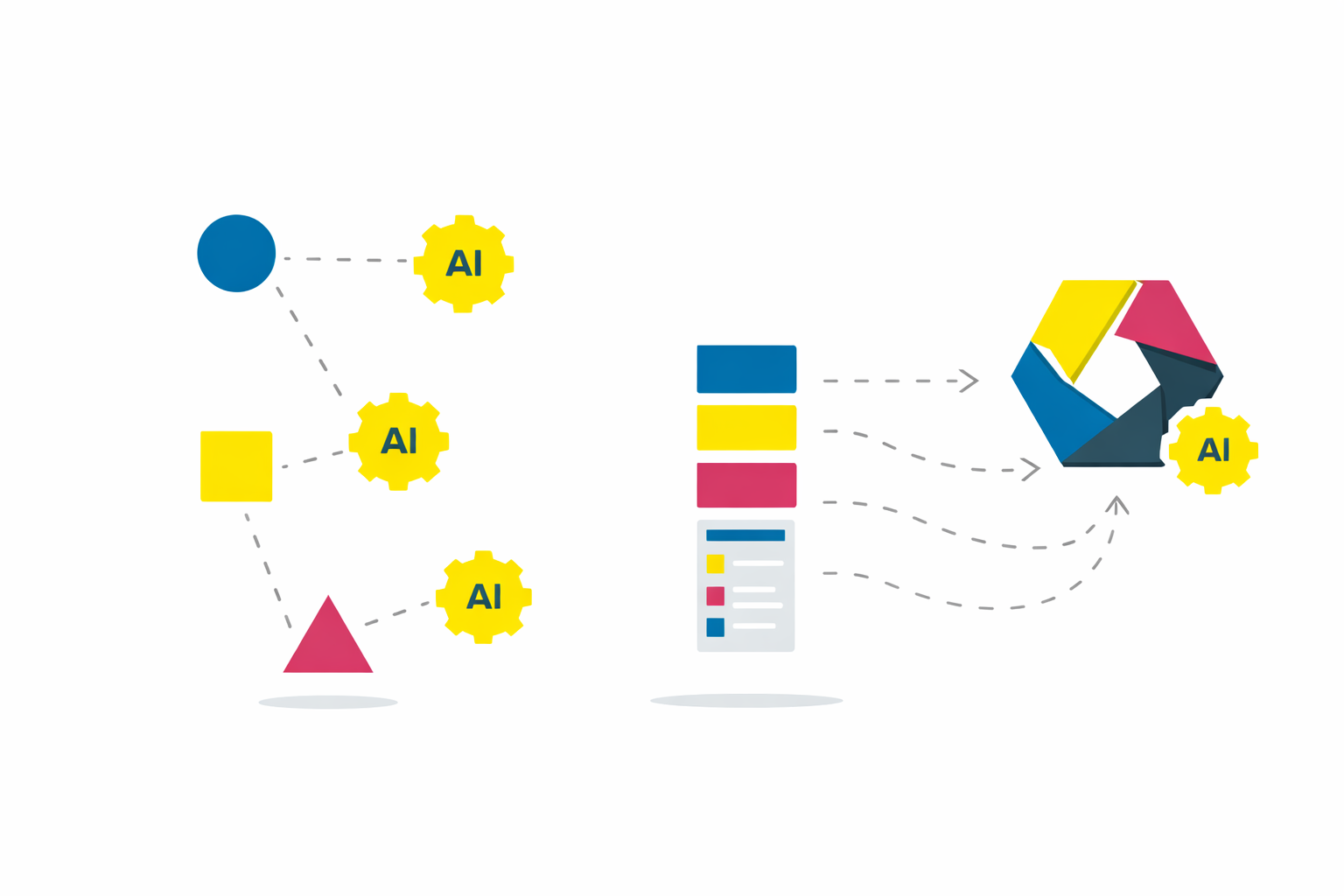
The first is a knowledge map: a structured understanding of where your team’s accumulated knowledge lives and how to make it AI-accessible. This is the diagnostic output — it tells you what exists, where it’s stored, and what would need to change for AI to access it reliably rather than defaulting to generic responses.
The second is a context index: a working index structure built during the workshop itself, specific to your organization and your domain. Not a template borrowed from somewhere else — a document that reflects your actual operations, your conventions, your business rules. The AI reads this before executing any task in your context.
The third is a repeatable workflow: a defined protocol for how your team interacts with AI going forward. Who is responsible for maintaining the index. How context gets passed between sessions. How to handle the cases where AI output is wrong — not just to fix the immediate output, but to prevent the same failure from recurring.
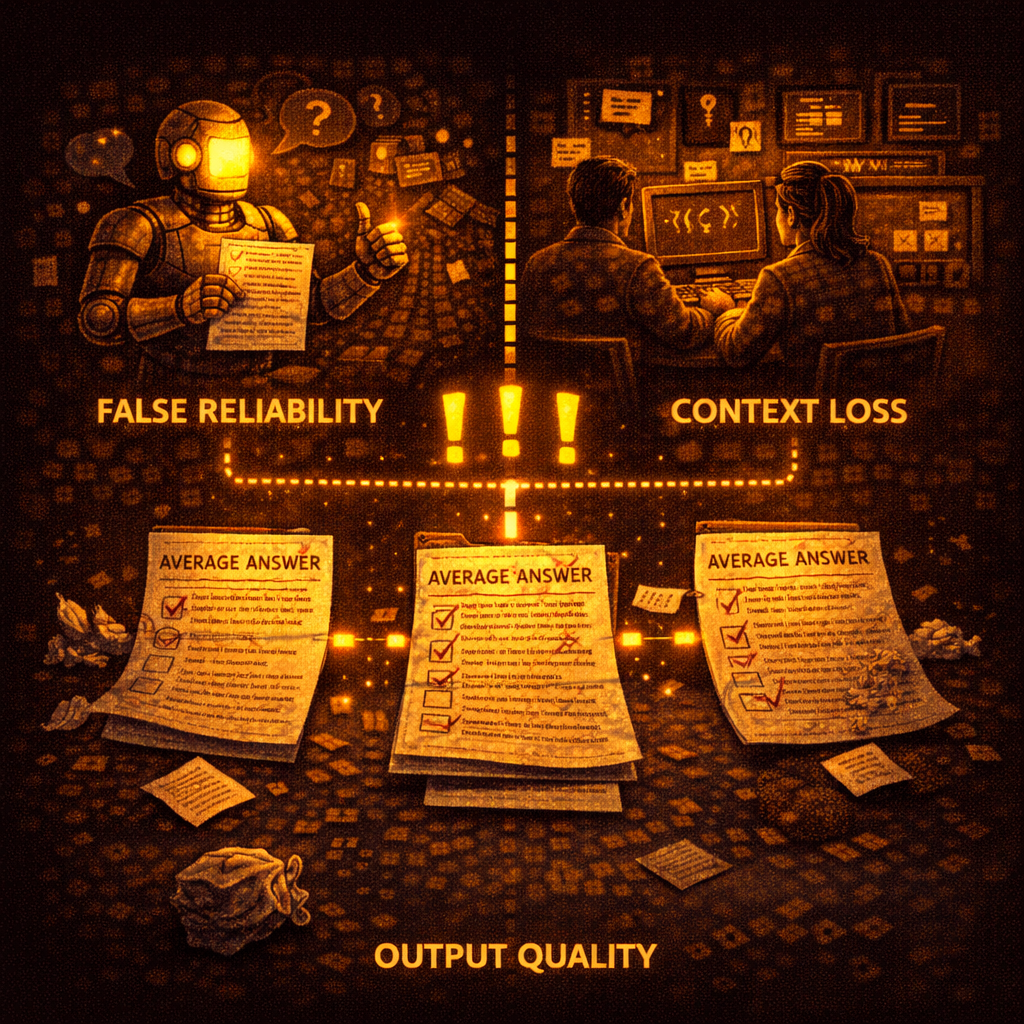
The fourth is diagnostic instinct: the ability to recognize when AI is failing and why. This is harder to document but more durable than any specific output. A team that understands the failure modes — context staleness, knowledge gaps, index drift — can self-correct. A team that doesn’t will keep getting bad outputs and attributing them to AI limitations rather than solvable infrastructure problems.
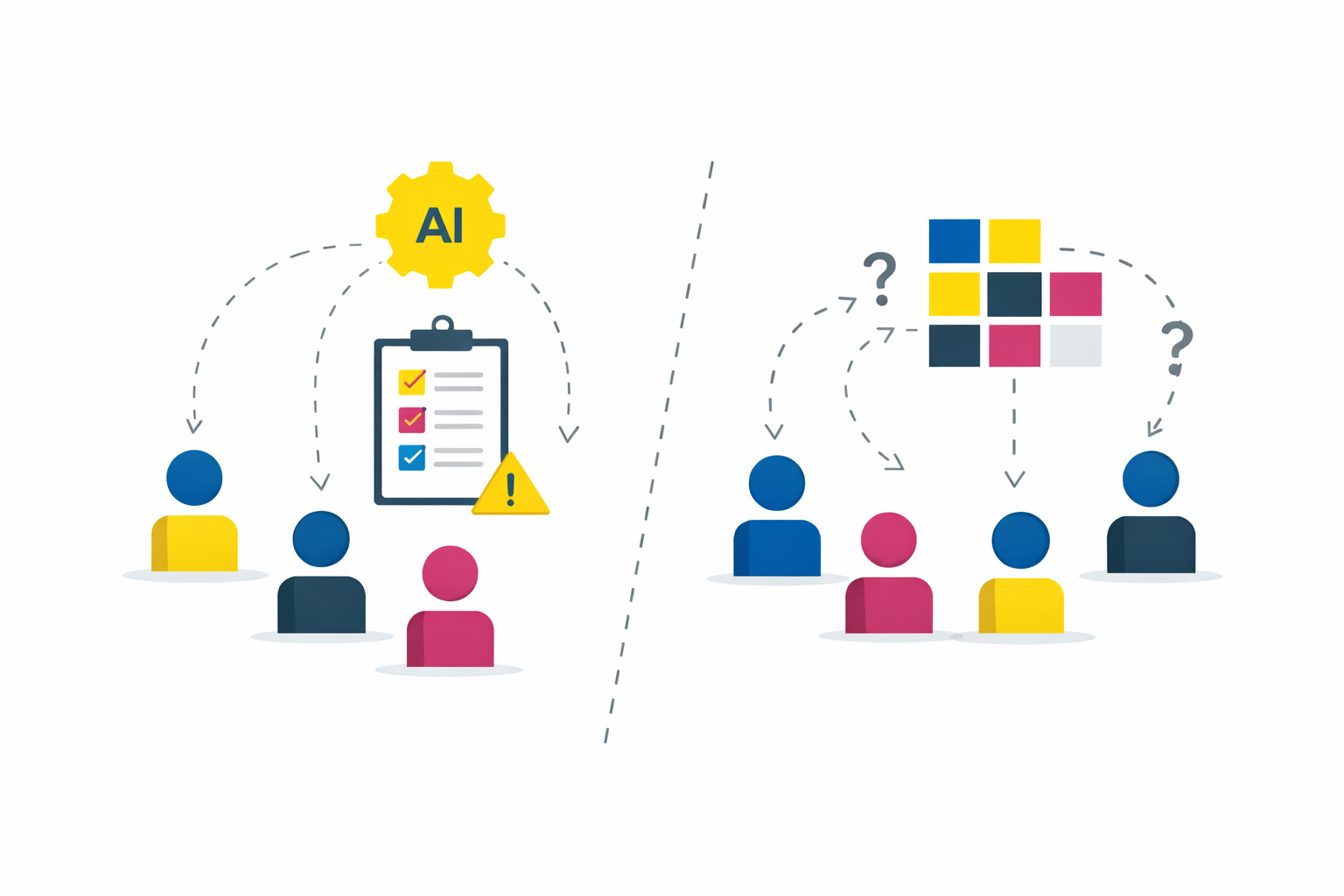
The fifth is team alignment: a shared mental model of how AI fits into how the team operates. This matters more than it sounds. One of the primary sources of inconsistency in AI-assisted teams is that each person has a different implicit model of what AI is good for and how to use it. That inconsistency produces variable output quality across the team and makes it impossible to build shared standards on top of individual practice.
What these outputs enable, practically
A team that completes this engagement can start a new AI session without explaining the project from scratch. They can identify within a few outputs whether the AI has adequate context or whether the index needs updating. They can onboard a new team member to AI-assisted work without weeks of tribal knowledge transfer — the index does the transfer.
The more durable outcome, as the workshop brief puts it, is a shift in how the team thinks about AI. Not as a tool that produces outputs, but as a collaborator that needs orientation — the same way any new professional joining the team would.
That framing matters because it changes the questions the team asks. Instead of “how do I prompt this better,” the question becomes “what does it need to know that it currently doesn’t?” That’s a different problem with a more tractable solution.
What the engagement is not
The workshop doesn’t implement anything on the team’s behalf. Your team does the implementation, guided by the methodology. This is intentional — teams that build their own systems understand them, own them, and maintain them. External implementation creates dependency. This engagement creates capability.
It’s also not a software recommendation. No tools are endorsed or required. The methodology works with the major AI platforms. What changes between engagements is the content of the knowledge map, not the approach to building it.
The engagement runs four stages: a discovery call, research and preparation, the workshop session itself, and a follow-up two weeks after to validate that the approach is holding up in real conditions.
Pricing: AED 15,000–20,000 for teams up to 15 participants. AED 25,000–35,000 for mid-market with multiple departments. AED 40,000+ for enterprise or complex domain work. Pilot pricing is available for first engagements in exchange for detailed feedback and permission to build an anonymized case study.