Your team is using AI. That’s not the same as having an AI workflow
-
 Moe Hachem
 - April 2, 2026
Your team is using AI. That’s not the same as having an AI workflow.
Most product teams have AI usage. Someone on the team is writing prompts and getting outputs. Maybe a few people are using it heavily. Maybe there’s a shared Slack channel with prompting tips. Maybe leadership has declared AI a strategic priority and formed a taskforce.
None of that is an AI workflow. And the difference between AI usage and AI workflow is where most of the value gets lost.
What usage looks like vs. what workflow looks like
AI usage looks like: individual team members using AI tools in their own way, with their own prompting approaches, starting fresh each session, producing outputs of variable quality that require variable amounts of editing. The team is technically “using AI.” The output is inconsistent. Nobody is sure if it’s actually making them faster or just creating different work.
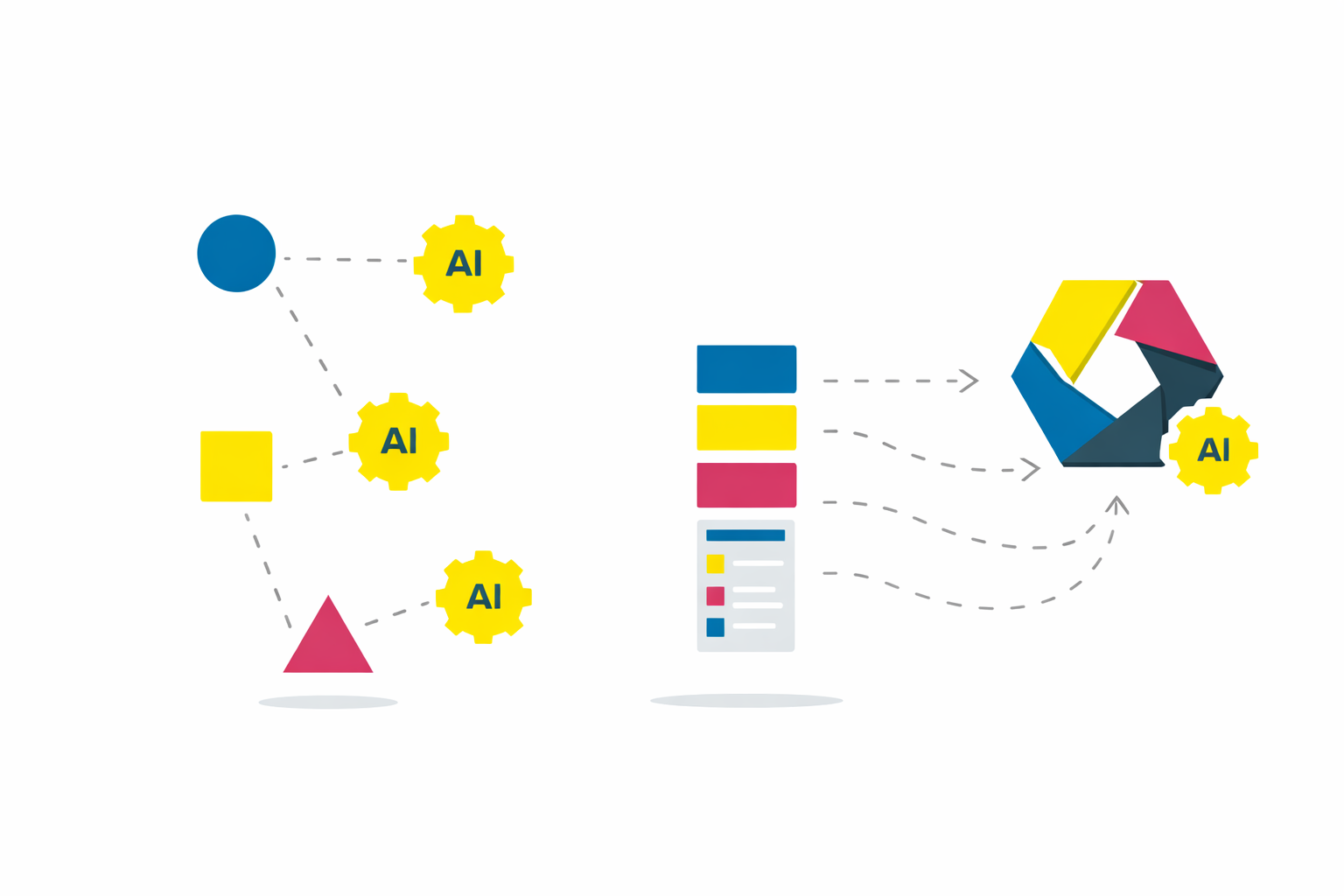
AI workflow looks like: a shared understanding of how AI fits into how the team operates. A defined protocol for how context gets passed. A structured way of capturing team knowledge so AI can access it rather than defaulting to generic outputs. A feedback mechanism for identifying when AI is failing and why.
The gap between the two isn’t a tool gap. It’s an architectural gap. And it doesn’t close by using better tools — it closes by building better systems around the tools you have.
The three problems usage without workflow creates
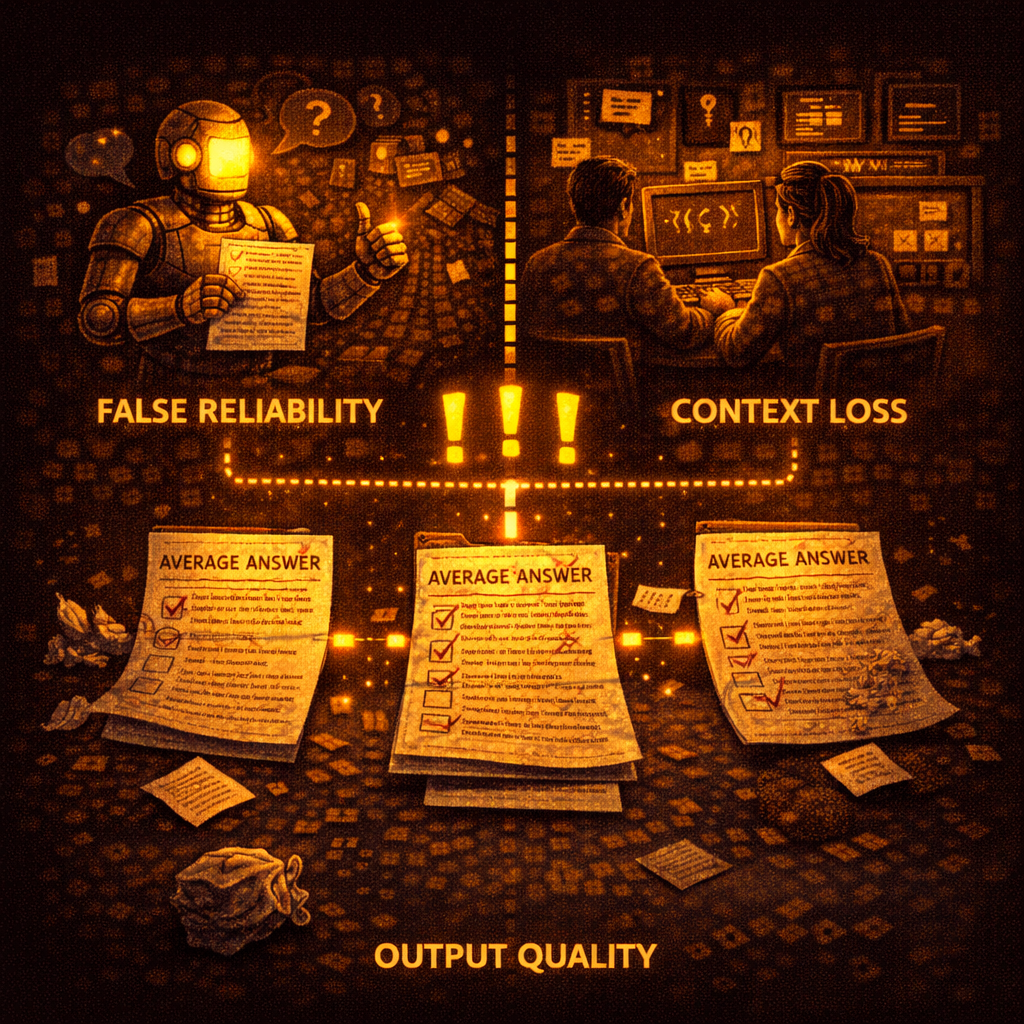
The first is output quality. When AI has no context about your product, your clients, or your accumulated judgment, it defaults to the broadest plausible answer. That answer is usually generic enough to be technically correct and practically useless. You spend as much time editing it as you would have spent writing it yourself.
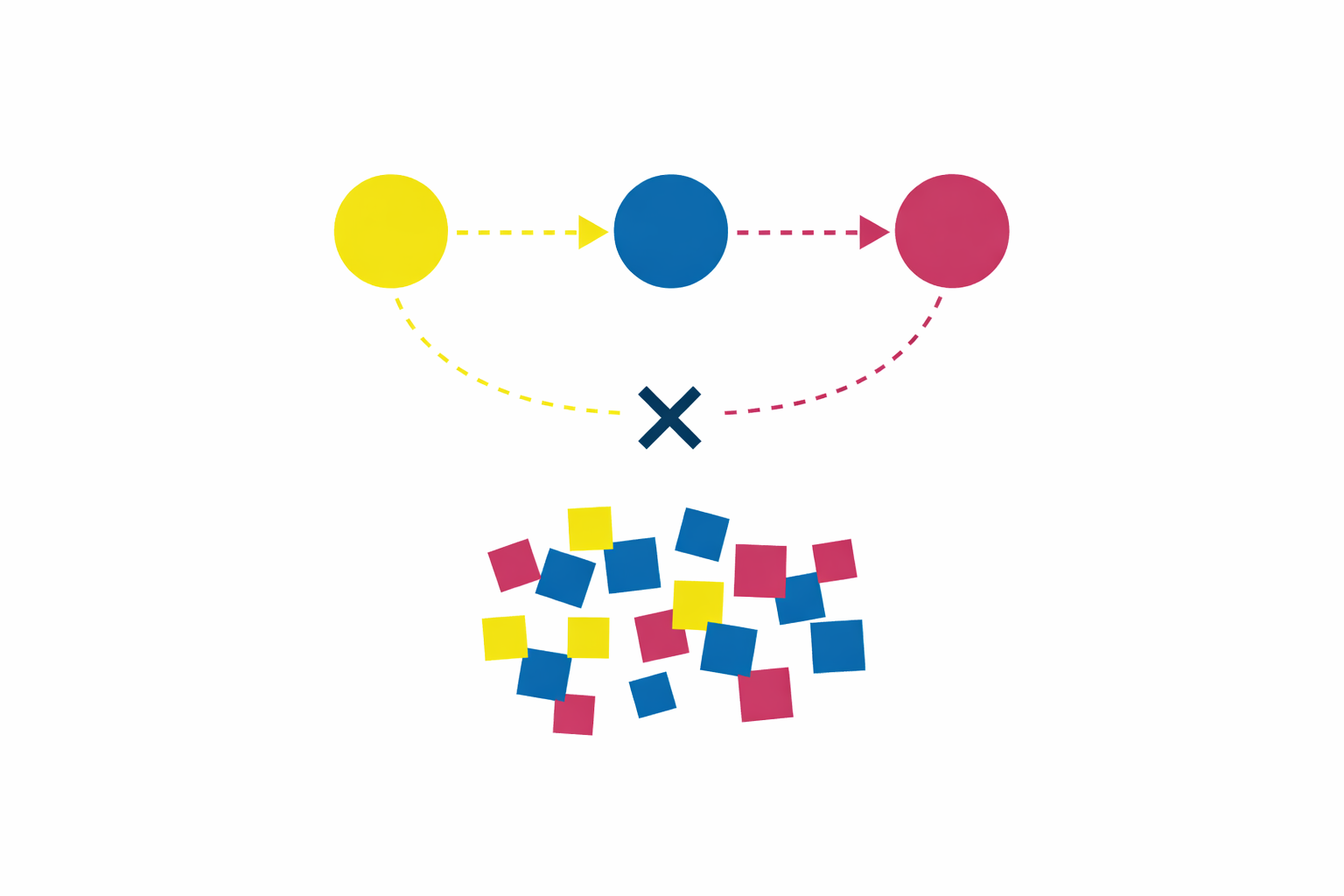
The second is context loss. Every session starts from zero. Decisions made last week don’t carry forward. The AI doesn’t know what was already tried, what was rejected, or why. Teams end up re-explaining the same context repeatedly — first to each other, then to the AI, then again when the AI forgets.
The third is false reliability. AI produces outputs with consistent confidence regardless of whether it has enough context to do the task well. Teams learn to trust the confidence instead of evaluating the output. Errors that should be caught early become embedded in deliverables.
What the fix requires
You don’t fix this by training people to prompt better. Prompt engineering is a local optimization — it makes individual outputs marginally better without changing the underlying architecture.
The fix requires asking a different question. Not “how do we prompt AI better?” but “what does AI need to know about us, and how do we make that knowledge consistently findable?”
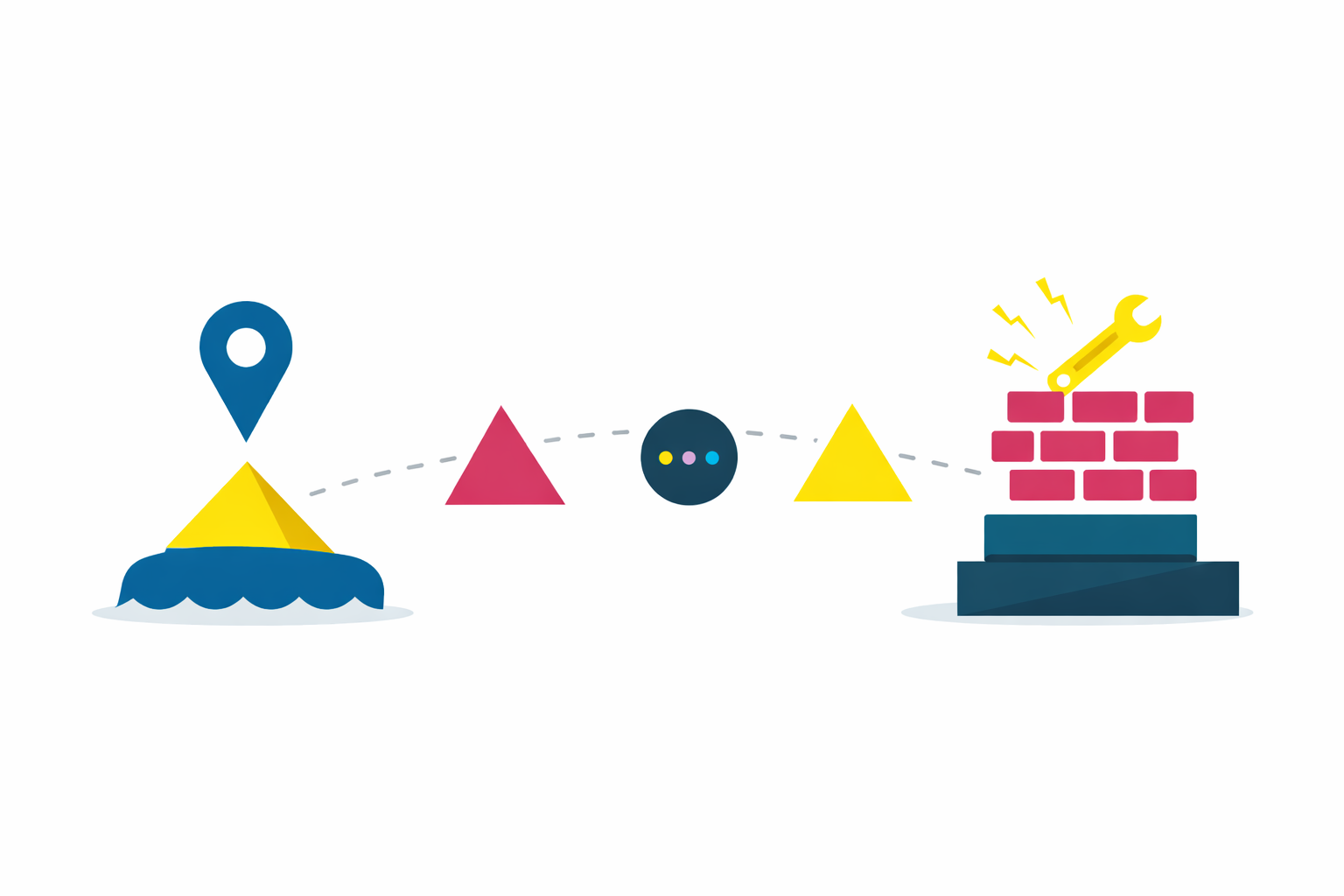
That question leads to a knowledge map: a structured representation of where your team’s accumulated knowledge lives and how to make it AI-accessible. It leads to a context index: a lightweight system that lets AI orient itself to your specific operations before executing any task. It leads to a shared workflow: a protocol for how your team interacts with AI that preserves context across sessions and reduces inconsistency across individuals.
This is what the AI Integration Workshop builds. Not a training. A consulting engagement delivered through working sessions — your team surfaces the knowledge, the methodology gives it structure, and by the end you have something working, not just something learned.
The engagement is AED 15,000–40,000+ depending on team size and complexity. It runs four stages: discovery call, research and preparation, workshop session, and a follow-up two weeks after.