Sila: building an event platform for a market that coordinates everything over WhatsApp
-
 Moe Hachem
 - April 14, 2026
Sila: building an event platform for a market that coordinates everything over WhatsApp
Sila means “connection” in Arabic. The name is intentional — the product is about the moment of connection between an organizer and their attendees, and how reliably that moment is managed.
The infrastructure is built. The UX is being refined. It hasn’t launched yet.
The problem it’s solving
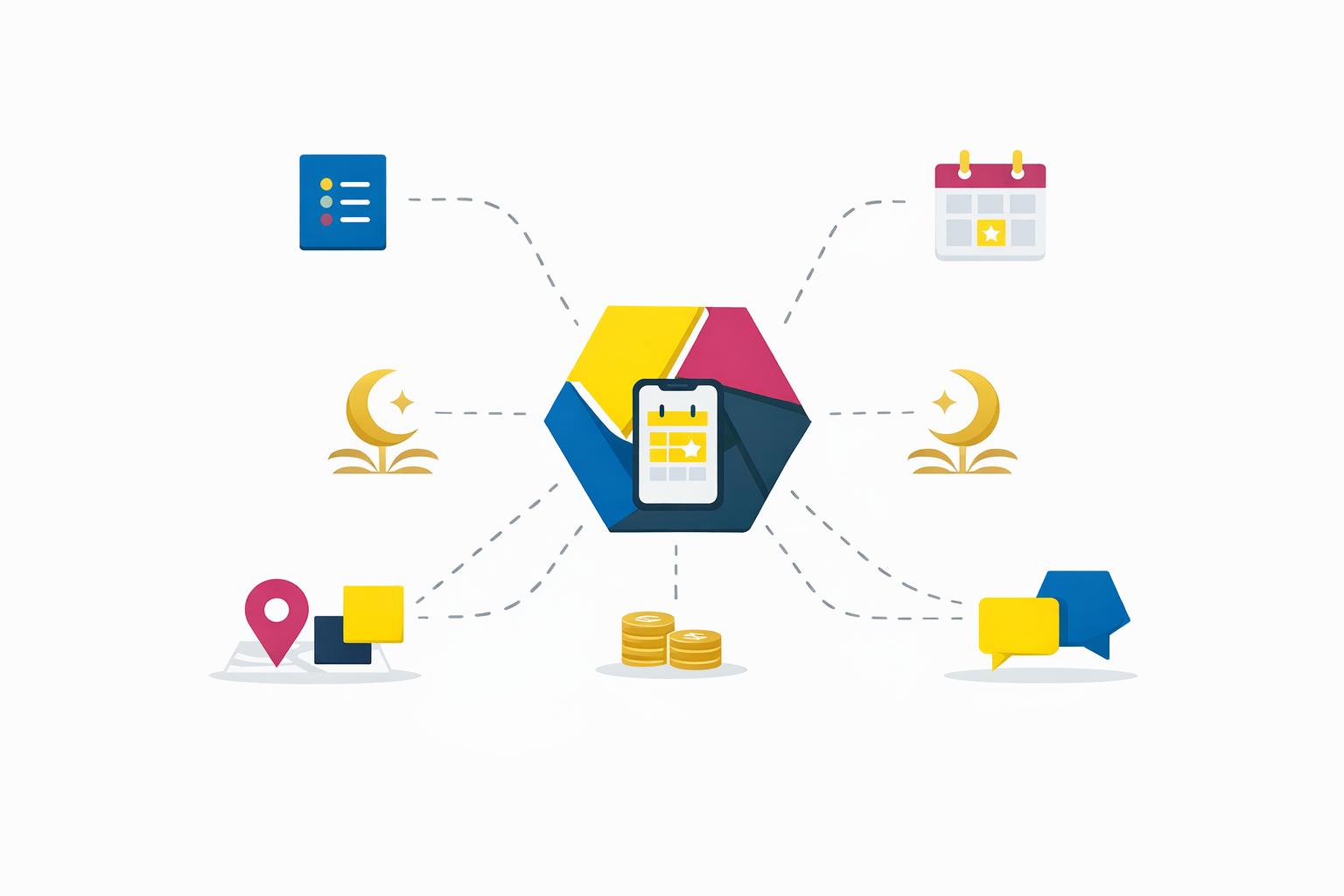
Event organizers in the UAE — and across the GCC more broadly — are running registration and check-in through a patchwork of tools that were never designed for the job. Eventbrite for ticketing where it works. Excel for attendee lists. WhatsApp for reminders and last-minute coordination. A phone camera to check in guests at the door, sometimes with a printed list, sometimes with someone scrolling through a spreadsheet.
This isn’t because organizers are unsophisticated. It’s because the tools that exist for event management were built for markets with different operational assumptions. They assume reliable card payment infrastructure. They assume English-first interfaces. They assume organizers with dedicated events teams and the budget to absorb per-ticket fees that make sense for a 500-person conference but not for a 30-person workshop.
The GCC event landscape is heavily weighted toward smaller, recurring events — workshops, networking meetups, training sessions, community gatherings. The organizer running 15 workshops a month doesn’t need Salesforce for events. They need something that fits how they actually operate: fast setup, WhatsApp-compatible communication, Arabic and English support, and pricing that makes sense at their scale.
Nothing in the current market fits that profile cleanly. Sila is being built to fill that gap.
The B2B2C model and what it means for pricing
Sila is B2B2C. The organizer is the customer. Their attendees are the users of the experience the organizer creates.
The tiered pricing reflects organizer scale: Free tier for small or infrequent events. AED 200/month, AED 400/month, and AED 800/month tiers for increasing event volume and feature access. The free tier is intentionally functional — an organizer should be able to run a real event on it before deciding whether to pay for more.
The pricing is designed around the economics of the target customer. An organizer running a workshop business at AED 200–800/month overhead has a cost structure that makes Sila viable as a line item. The same organizer paying per-ticket fees on a Western platform is watching those fees erode margins on events where ticket prices are already modest.
What’s left before launch
The general infrastructure is done. What remains is UX polish — the flows need to work as well on mobile as they do on desktop, the check-in experience needs to be fast enough to use at the door without friction, the setup flow needs to be short enough that an organizer can go from zero to published event in under ten minutes.
The market it’s entering is one I’m researching through direct outreach rather than assumption. The anchor target is the kind of organization running high-frequency, mid-size events in Dubai — workshop series, startup ecosystem events, professional community gatherings. That’s the operational profile Sila is designed around, and that’s where early validation will come from.
[→ Sila — coming soon]