Neon Oracle: why I built an AI tarot interface as a consciousness archiving system
-
 Moe Hachem
 - April 7, 2026
I want to be direct about what Neon Oracle is, because the surface description invites the wrong read.
It’s an AI-powered tarot interface. That’s accurate. It’s also the least interesting thing about it. The more interesting thing is what the architecture underneath it was designed to do — and why building it sharpened my thinking on SR-SI more than anything else I’ve built.
What the interface actually does
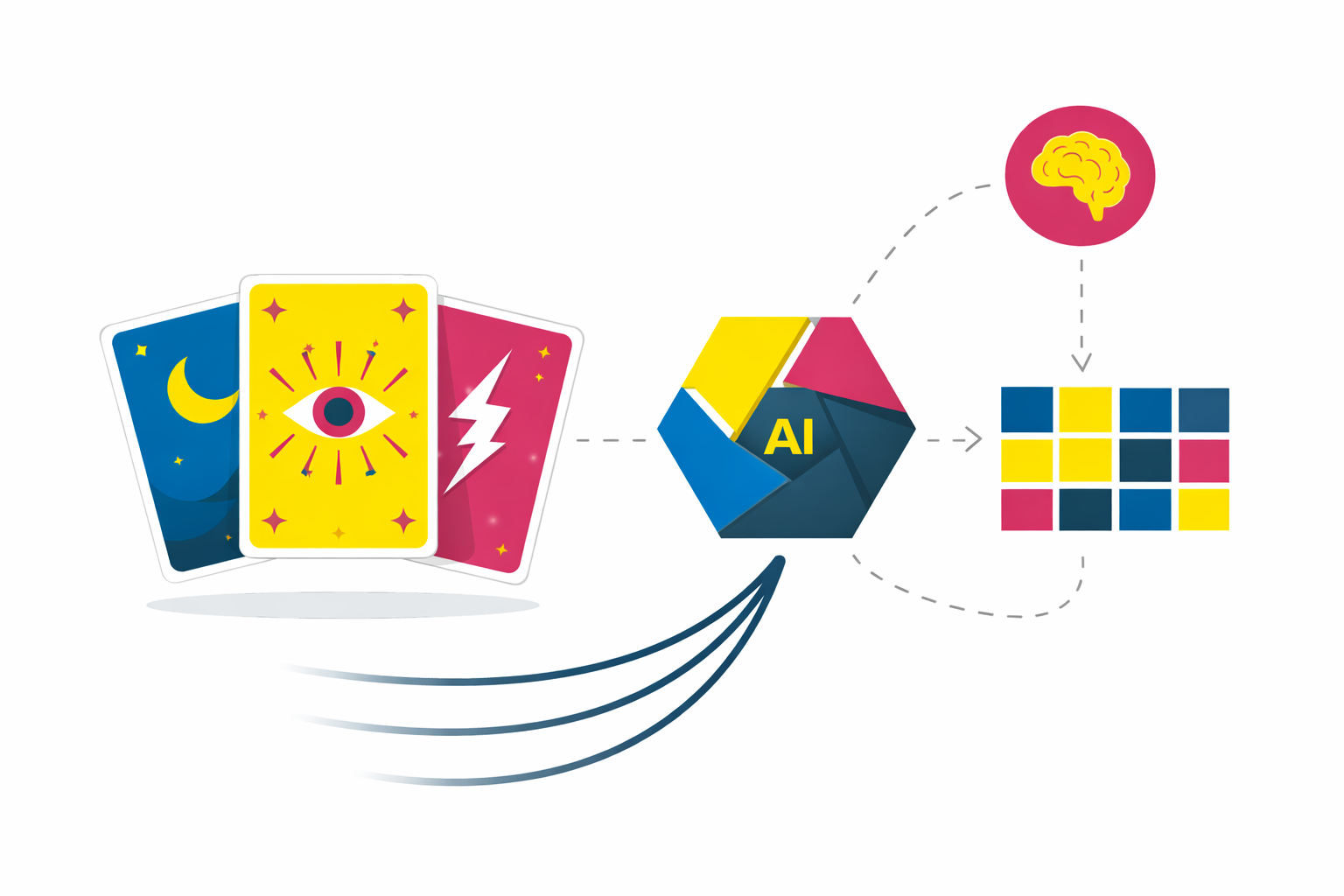
You pull cards. The interface uses the Gemini API to generate a reading. The reading responds to the cards drawn, but also to something more specific: who you are, how you’ve been showing up in previous sessions, what patterns have been emerging over time.
Every reading is a data point. Every reaction you have to a reading is a signal. Every session is an artifact — a snapshot of where you are and how you’re thinking at that moment in time.
The credit-based model (not a subscription) reflects this. You use it when you want to use it. The value isn’t in access — it’s in accumulation. The more sessions you have, the richer the archive of how you think and what you care about.
Why I called it a consciousness archiving system
Most AI interfaces are stateless by design. You ask, it answers, the conversation ends. The next conversation starts from zero. The AI has no model of you, no memory of your previous sessions, no way to detect patterns in how your thinking evolves over time.
Neon Oracle is an attempt to invert that. The tarot structure provides a framework: each session has defined inputs (the cards) and a defined output (the reading), which makes it possible to accumulate structured records of sessions over time. The AI can use those records not as a history to replay, but as a context index — a navigable map of who you’ve been and what has been surfacing.
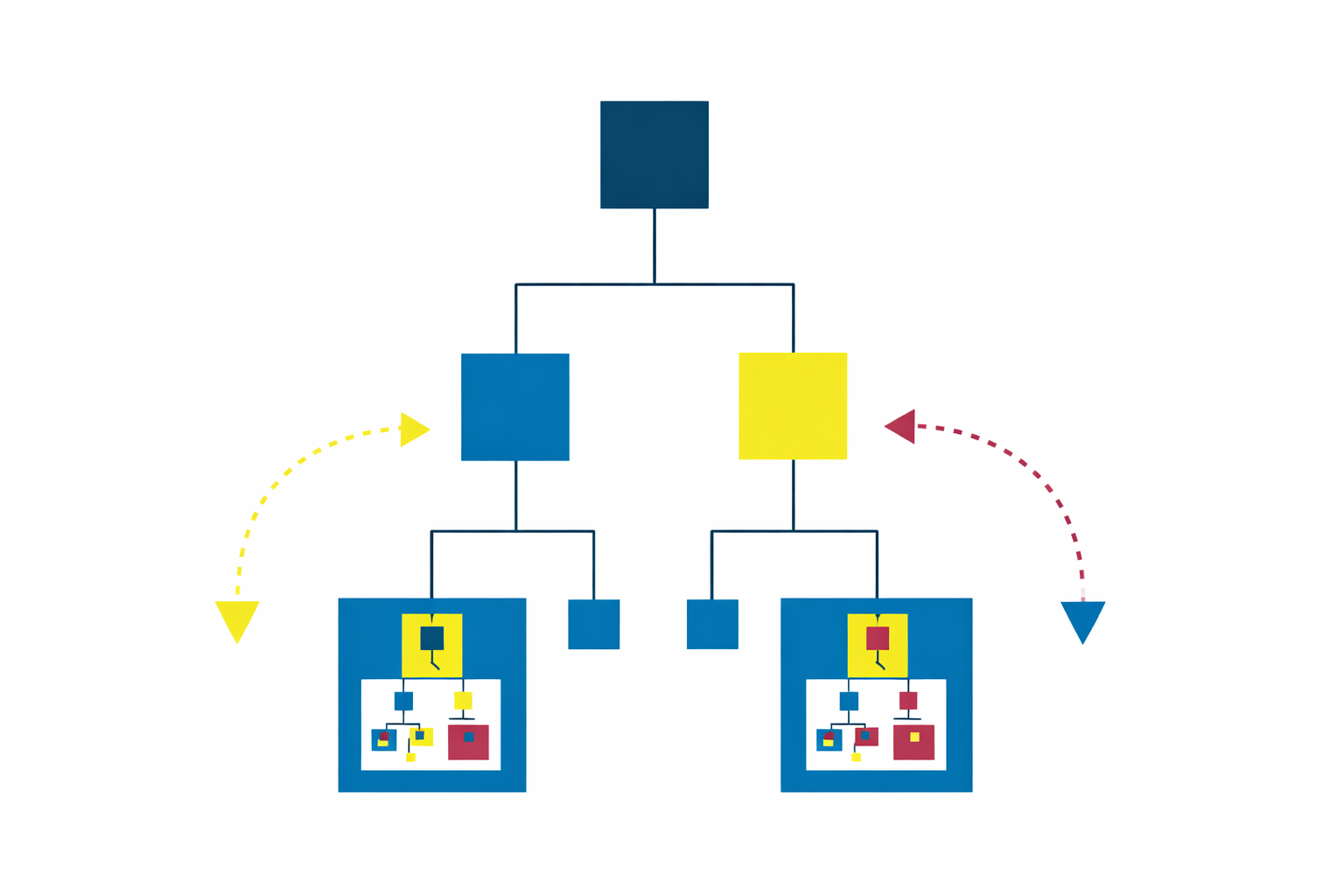
The parallel to SR-SI isn’t accidental. SR-SI says: don’t store all the code context in the conversation window, build an index that lets the AI find what it needs. Neon Oracle applies the same logic to personal context: don’t try to replay all previous sessions, build a structured representation of the patterns they reveal.
Whether this works in the way I intend it to is genuinely an open question. That’s partly why I built it — as a proof of concept for a broader idea about AI as a memory substrate, not just a response generator.
What it’s built on
The Gemini API powers the reading generation. The architecture uses Google Cloud Platform — I had $300 in GCP credits that made the initial build viable without payment infrastructure risk. The credit-based model was also a practical decision: Neon Oracle is nearly live, and getting a payment provider that doesn’t require a business license upfront for an individual operating in the UAE is its own infrastructure problem. Credits sidestep the subscription billing complexity while still creating a monetization path.
The larger context
Neon Oracle is one of five products I’m building in parallel. They’re not as disconnected as they look. Gestalt externalizes system structure. Protocol externalizes training structure. Neon Oracle externalizes the structure of how you think and what you care about over time. The thread running through all of them is the same: take knowledge that lives in people’s heads and build architecture that makes it persistent, navigable, and useful.
[Neon Oracle — link coming at launch]