The coordination tax is in every timeline
-
 Moe Hachem
 - March 7, 2026
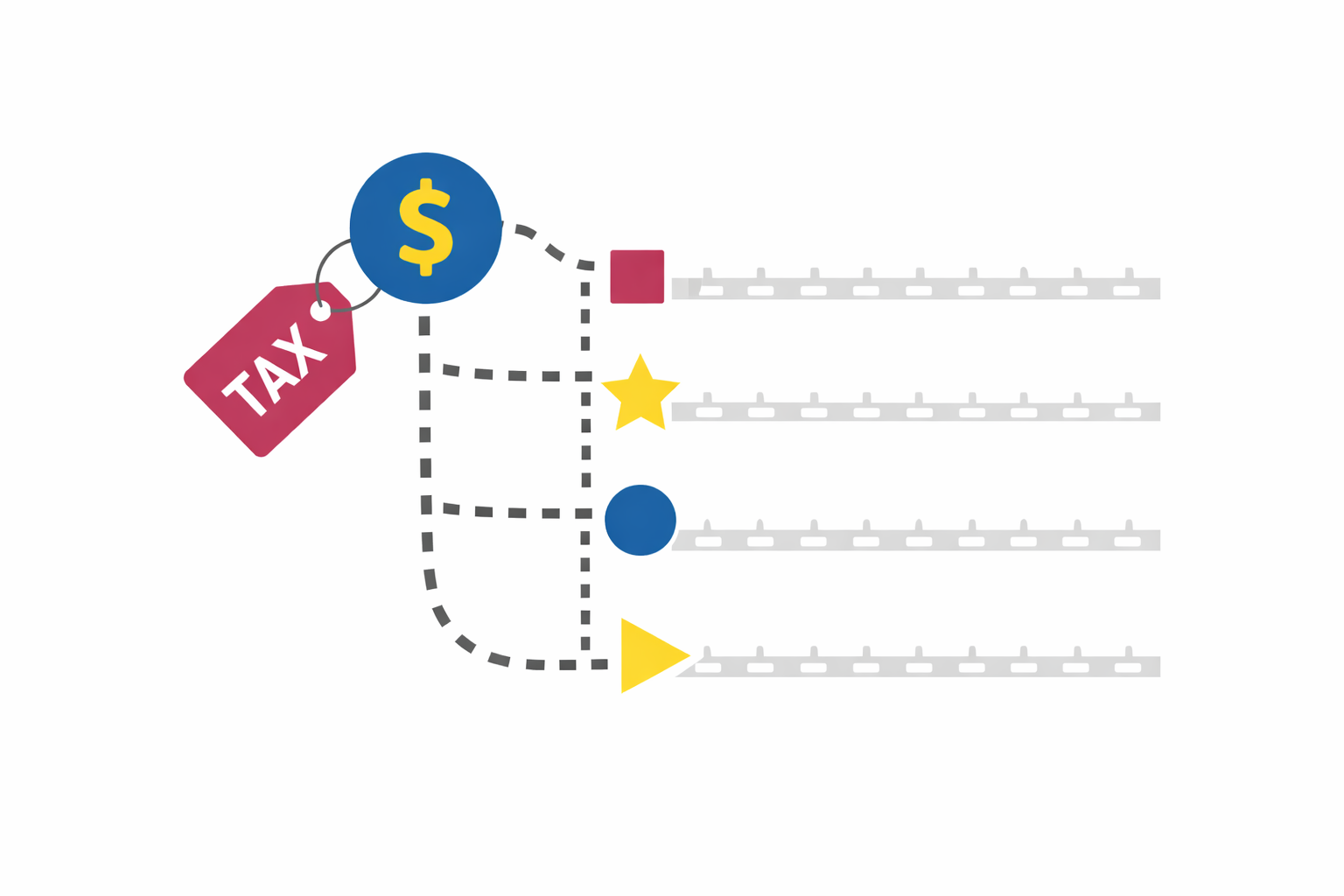
The coordination tax isn’t found in any line item, but it’s always there in every timeline.
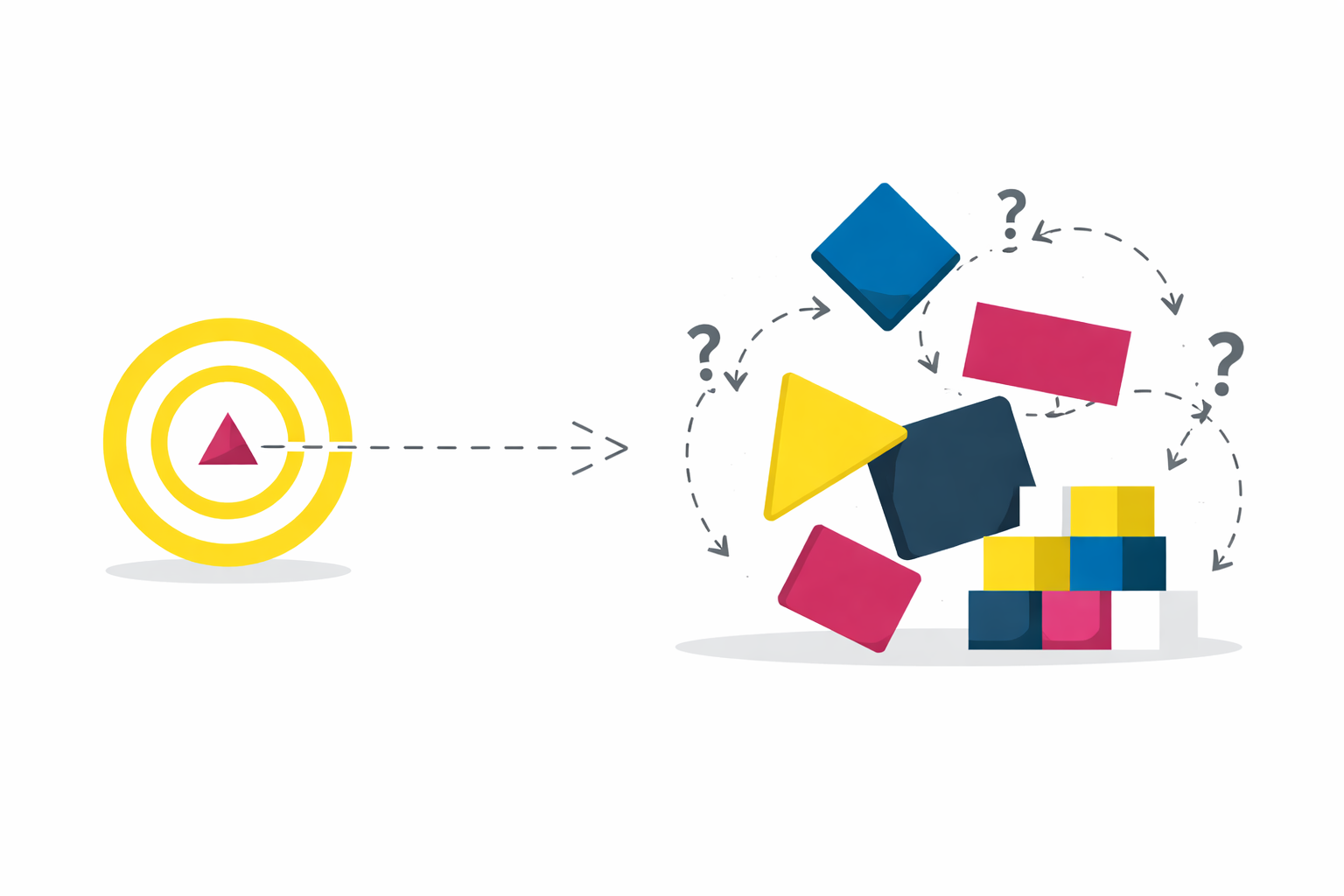
When coordination fails, nobody calls it coordination failure. They call it a misunderstanding, scoping issue, or a prioritization problem.
Its symptoms tend to look like:
- A team that’s moving too slowly
- An engineering team that doesn’t quite get the product vision
- A design team that doesn’t understand constraints
The underlying condition is that the cost of keeping people aligned exceeds the budget anyone allocated for it. What makes it particularly hard to fix is that the cost distributes across everyone.
- The founder pays it in decision fatigue — constantly re-anchoring a team that keeps drifting back to its default settings.
- The product team pays it in rework — building things that made sense in isolation but didn’t fit the larger system.
- The development team pays it in confusion — receiving requirements that are technically complete but contextually hollow.
No single person feels the whole cost. Everyone feels a portion of it, and attributes it to someone else.
And that’s a big problem because it implies that the coordination tax is invisible because it’s distributed — which is exactly what makes it expensive.
The first step to fixing it is naming it correctly.