I've gotten lazy in the best way
-
 Moe Hachem
 - March 3, 2026
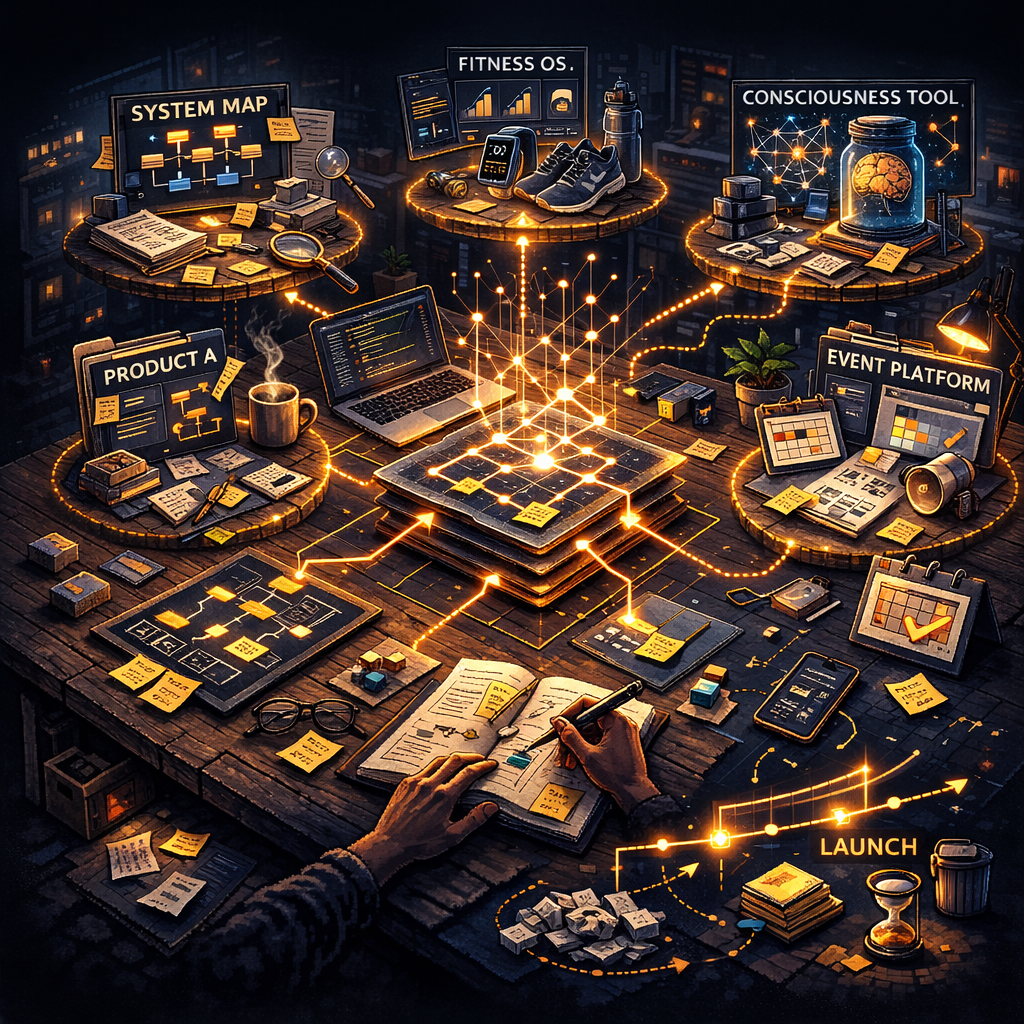
People ask me: What’s it like to use AI-driven development with your SR-SI and persistent memory methodology?
(Fine, no one has ever asked. But I’m telling you anyway.)
Here’s the honest answer: I’ve gotten lazy.
Not in a bad way. In the way you get “lazy” when you have a great teammate who remembers everything.
I don’t track where files live anymore. I vaguely describe what I’m looking for - “the thing that handles user sessions” - and the AI pulls it up.
I don’t write implementation instructions. I have conversations. “What are we missing in this password reset flow?” The AI knows our setup, identifies gaps, proposes solutions.
I’m thinking at the product level. The AI handles the mechanical details.
AI coding tends to look like: “Go to /src/components/auth, modify the login handler, add error handling.”
What I do now: “I’m thinking about password resets - what are we missing?”
The AI knows where things live, understands our flow, proposes solutions, pulls files. I’m having product conversations, not giving instructions.
The “lazy” part is cognitive offloading done right.
I’m not memorizing file paths. I’m thinking about user experience while the AI handles the “where is this thing” overhead.
The feasibility conversations are where this shines.
As a designer: sketch, let the material push back, adjust, iterate - except now, the material is an AI that knows my system.
“Can we make this feel more immediate?” The AI responds with actual constraints. “Given our state management, this approach fits best.”
It’s essentially the designer’s workflow, operating in production code. This is why I prefer this over Figma.
I’m designing directly in working code with the AI maintaining continuity. I think in systems and flows. The AI maintains relationships. Code emerges.
The AI is my partner. Not because it’s smarter (it is,) but because it remembers better. That frees me to focus on designing experiences and making decisions.
The AI handles where things are and how they connect. I handle what users need and what experiences matter.
What surprised me most: The main benefit isn’t speed at implementing solutions. It’s that I’m better at discovering the right solutions. I can explore more, test more, have more “what if” conversations - without losing the thread.
The AI remembers the structure. I get to stay curious.
That’s the workflow I always wanted.