Building four products in parallel while holding a full-time job — the system, not the hustle
-
 Moe Hachem
 - February 28, 2026
This is not a productivity post. I’m not going to tell you to wake up at 5am - Because that usually around the time I go to sleep.
What I’m going to tell you is the specific architecture that makes parallel product development possible without working more hours, sacrificing quality, or losing coherence across projects.
The first thing to understand: parallel development only works if each project has a stable identity layer that doesn’t require you to re-orient every time you return to it. Without this, switching between projects carries enormous cognitive overhead - you spend the first 20 minutes of every session remembering where you were, what was decided, what the next step is.
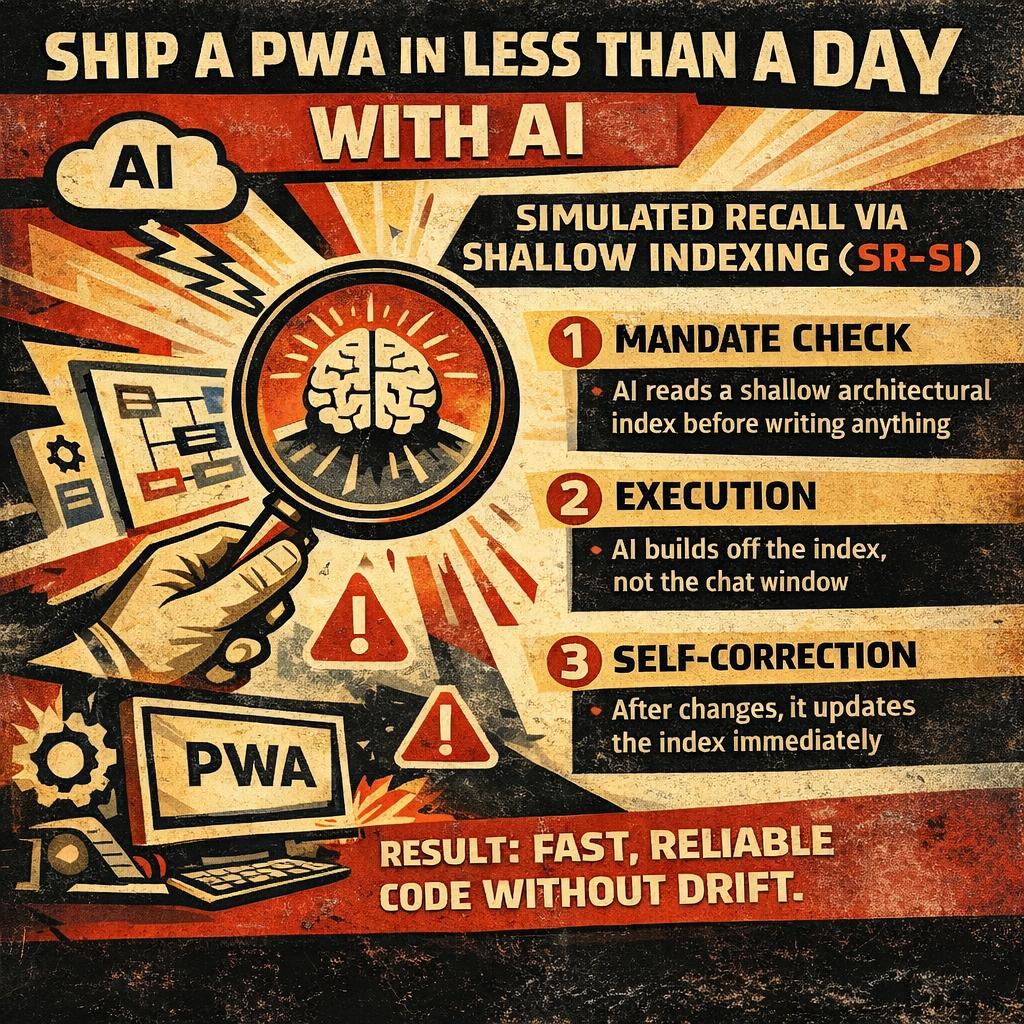
SR-SI solves this at the project level.
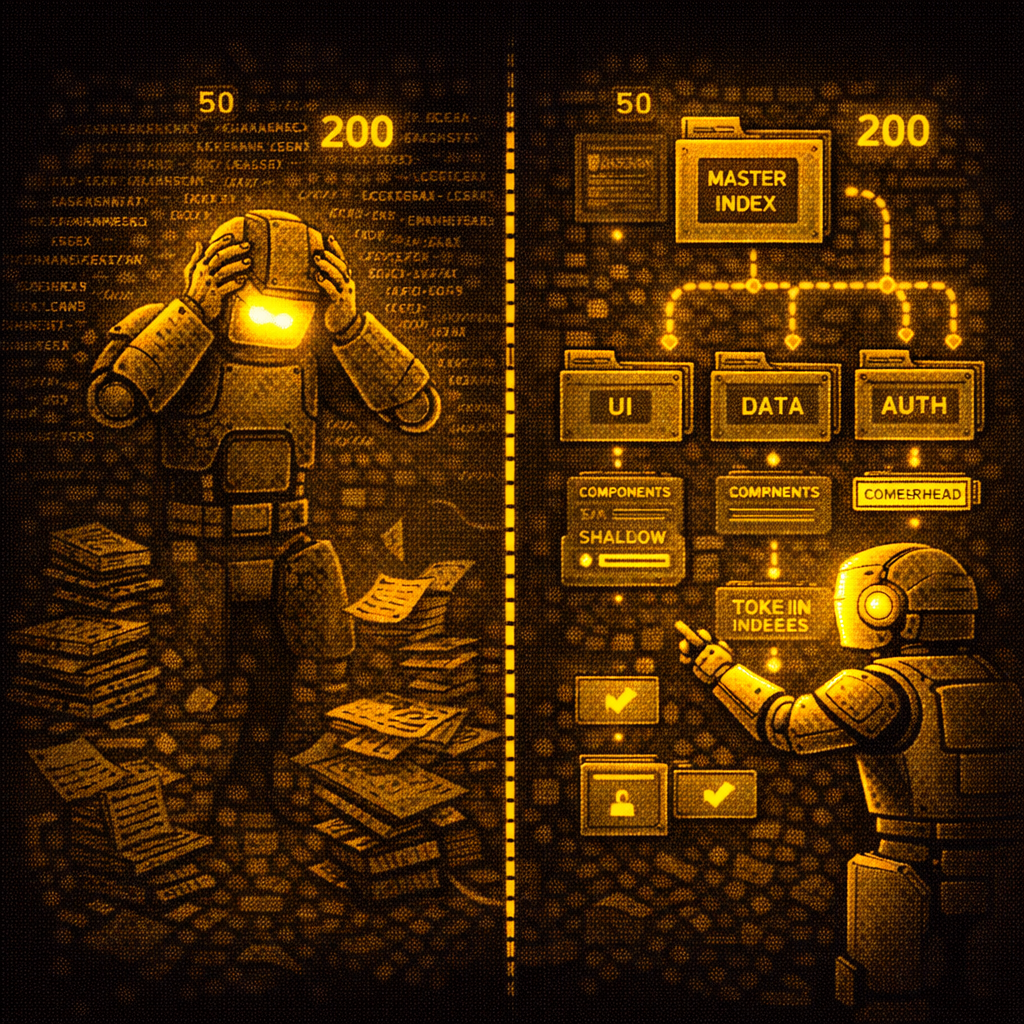
Each product has its own shallow index - a structured document that contains the project’s current state, the active work scope, the decisions made and why, and pointers to where detail lives. When I return to a project after two days on a different one, I read the index. Full orientation in under five minutes.
Better yet, I ask the AI to read it for me and re-orient me.
The second thing: AI is not just a coding assistant in this workflow. It’s a collaborator that holds the implementation detail while I hold the architecture. The index is what makes that collaboration coherent - AI knows the project because the project is documented in a way AI can navigate, not just in a way humans can read.
The third thing: kill criteria. Every product has a defined three-month post-launch window. If no paying customers in that window, the product closes. This isn’t pessimism - it’s the constraint that prevents any single product from consuming the portfolio’s attention indefinitely.
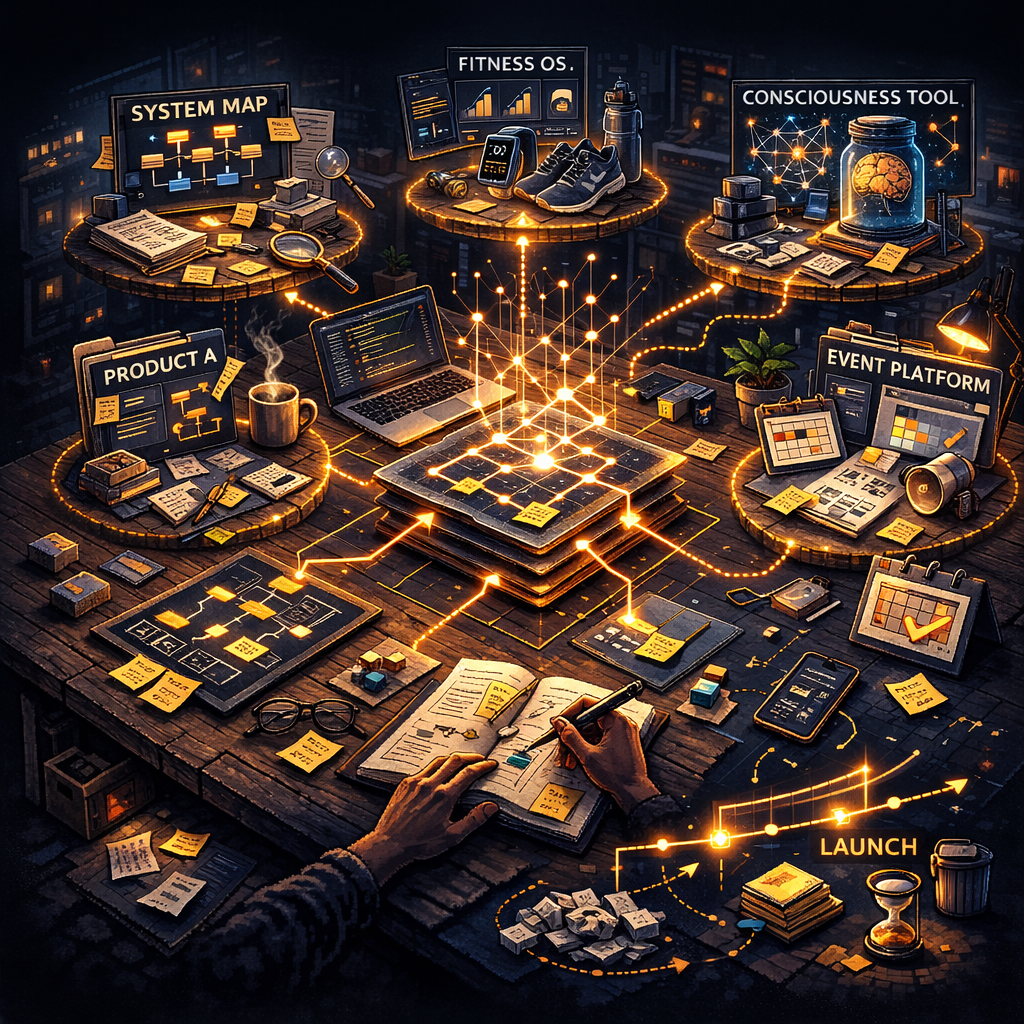
Four products currently in parallel: a system mapping tool, a fitness OS, a consciousness preservation tool (woo woo alert, anyone?), and an event management platform. All built with the same methodology, carrying their own SR-SI index, and all scoped for March launch.
The system is the thing. Not the hours.