AI-assisted development breaks around prompt 200, but it doesn't have to
-
 Moe Hachem
 - November 10, 2025

AI-assisted development breaks around prompt 200 - But it doesn’t have to!
Of course, your mileage might vary.
I’ve built three systems this year using AI collaboration.
Every single project hit the same wall:
Prompts 1-100: Fast, coherent, productive
Prompts 100-200: Slower, some contradictions
Prompts 200+: Complete context collapse
The AI forgets earlier decisions. Contradicts its own code. Regenerates solutions you already rejected.
Everyone assumes this is an AI limitation. Better models will fix it, right?
Wrong.
It’s a memory architecture problem. And it’s solvable.
The issue
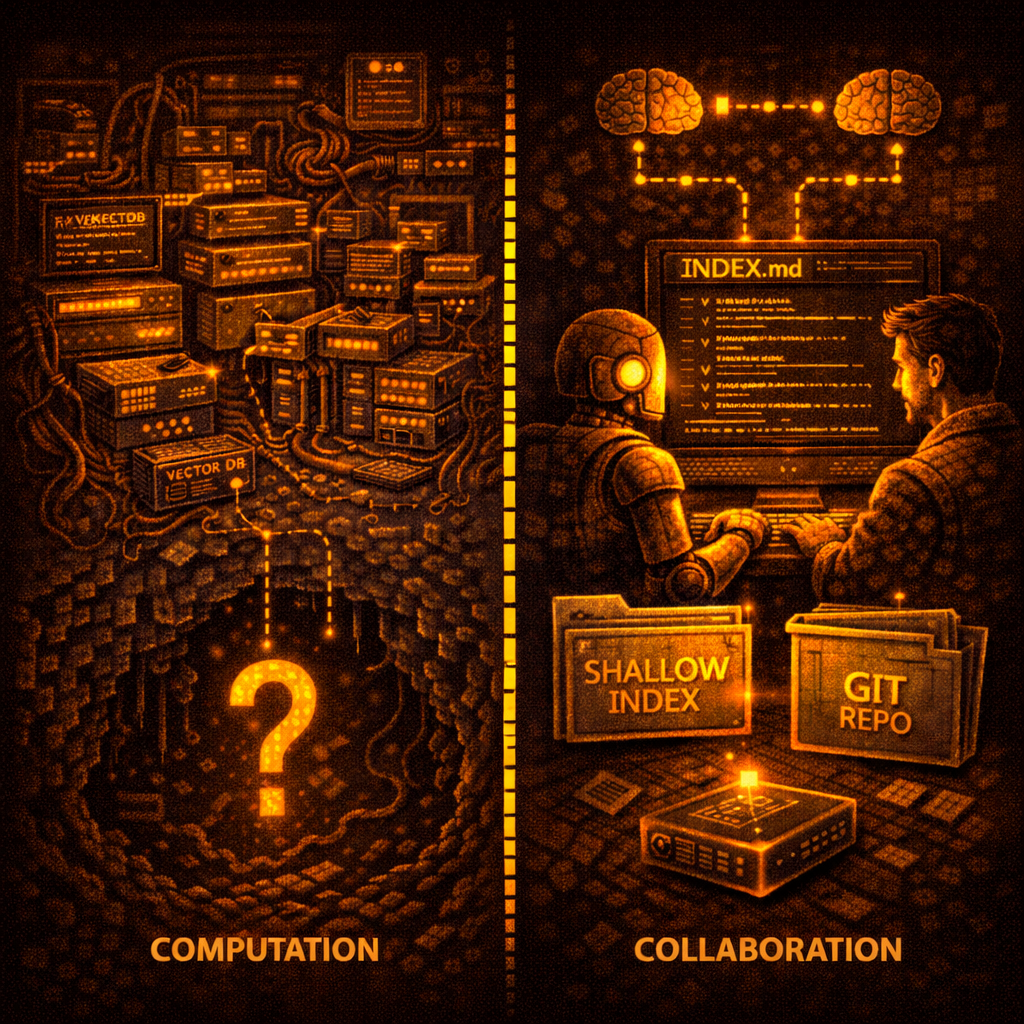
LLMs have context windows, not memory systems.
They can see recent history, but can’t distinguish between “this was a dead-end we rejected” and “this is our current approach.”
The fix
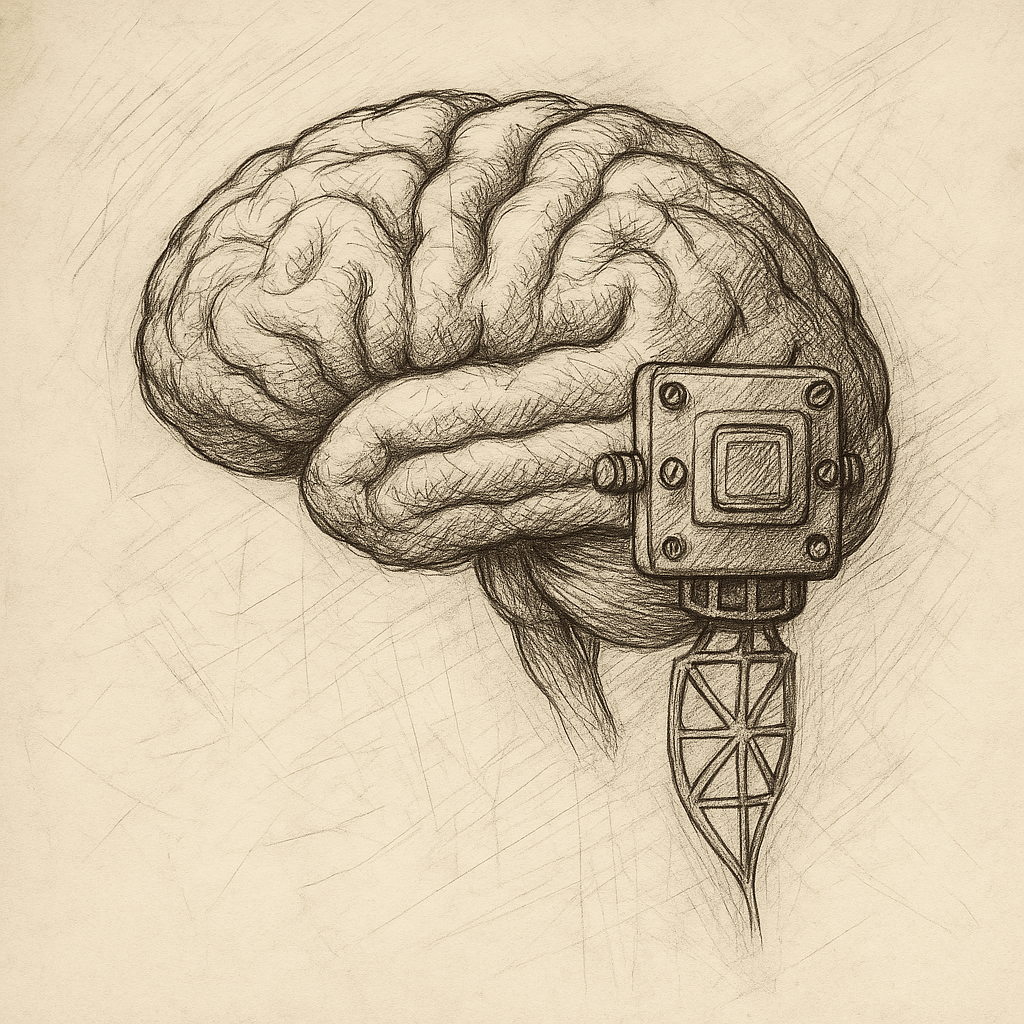
Give the AI a memory prosthesis.
I developed a methodology called SR-SI (Simulated Recall via Shallow Indexing).
Instead of relying on the AI’s context window, I built an external memory layer that tracks:
- Decisions made and why
- Dead-ends explored and rejected
- Current system architecture
- Active patterns and conventions
The result
I extended coherent collaboration from 200 prompts to 1000+, with:
- 85% reduction in token waste
- Zero re-explanations
This isn’t about better prompting.
It’s about building memory infrastructure that LLMs currently lack.
I’ve managed to compress a 10-week, 5-person project into 12 days of solo work. Not because I’m faster — but because the AI never forgot what we were building.
You can find the full whitepaper here.
Are you hitting the context wall in your AI workflows?
Keep Reading
Next step
Stop guessing. Move to execution.