I cut the AI's memory and it got smarter
-
 Moe Hachem
 - February 21, 2026

I gave an AI a 15,800 token memory. Then I cut it to 3,300 (update: make it 1.6k).
It got smarter, and better at remembering the entire project.
Not because I removed information, but because I structured it differently.
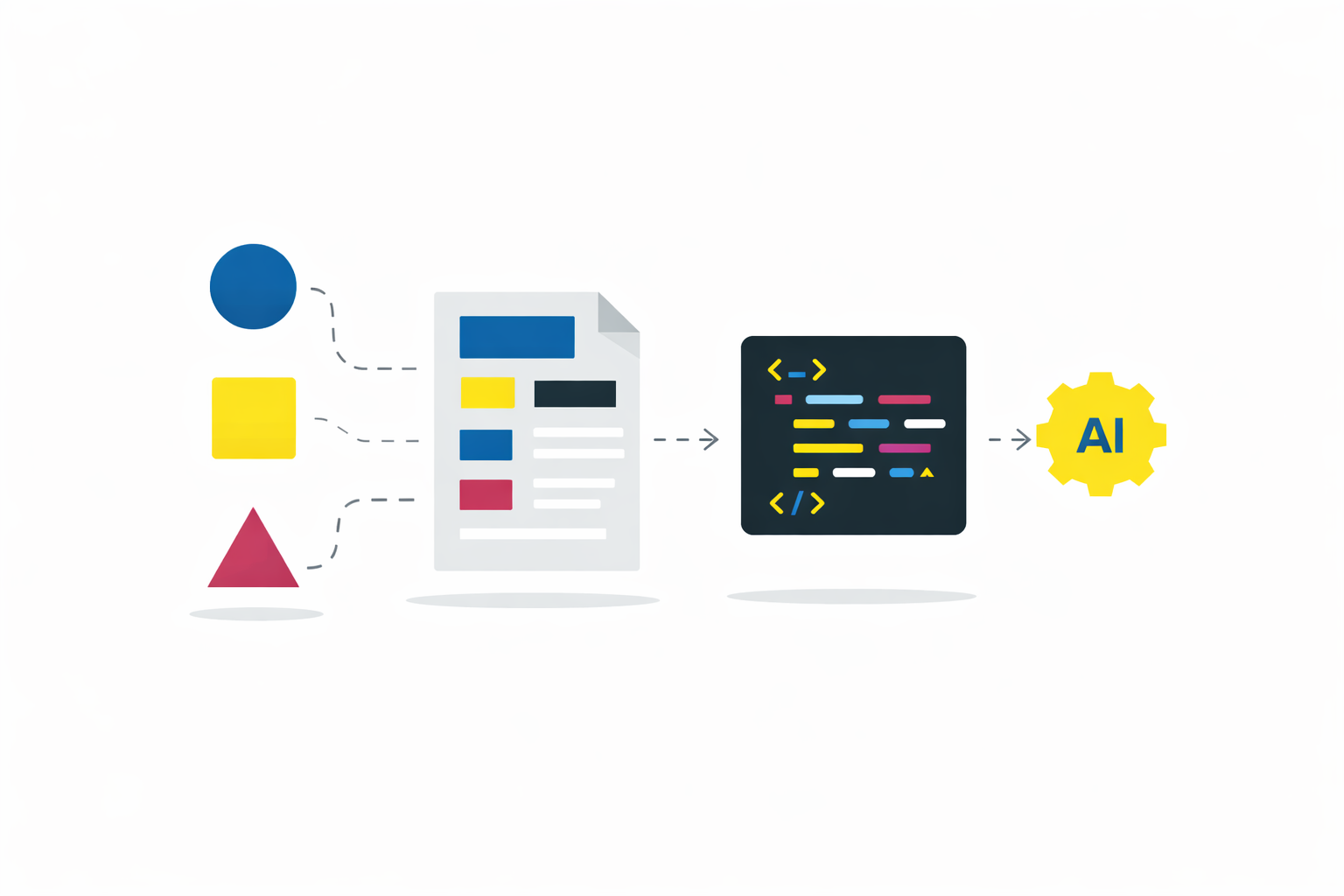
Instead of one giant index the AI had to scan every time, I gave it a master navigation hub + scoped sub-indices it loads on demand.
The result, confirmed by the AI itself:
- 75-90% lower context overhead per task
- 20-45% faster on recurring work
- 30-60% fewer wrong-scope mistakes
- 1.3x to 1.8x net productivity gain vs standard AI workflows
Then I asked it a qualitative question: “Is this close to having memory, like a neural network?”
Its answer stopped me cold.
“Closer to a memory simulation. Stateless model + structured notebook + strict recall protocol. So yes - it approximates memory operationally. Like a cognitive prosthesis.”
A cognitive (memory) prosthesis. The exact term from my research paper. Unprompted.
That’s what Simulated Recall via Shallow Indexing (SR-SI) does.
It doesn’t give AI real memory. It gives it the architecture to reconstruct the right context on demand - every single task. Probably as close as it gets to how we perceive memory.
The insight most teams miss: your AI isn’t getting dumber over time.
Your context structure is.
Fix the structure. The AI fixes itself.
And once it’s set up? Day-to-day upkeep is low-touch. The AI maintains its own indices, flags its own bloat, and updates its own memory after every task.
Strategic reshaping is still yours. Everything else runs itself.