The moat hiding in plain sight is memory
-
 Moe Hachem
 - February 20, 2026
Everyone’s debating whether to build up or down from general AI.
Nobody’s talking about the moat hiding in plain sight.
Memory.
Not memory in the “AI remembers your name” sense.
Structural memory.
The kind that knows why a decision was made three months ago. That understands how this component connects to that one. That reconstructs context on demand instead of starting from scratch every session.
General AI doesn’t have this. By definition it’s stateless - brilliant in the moment, but amnesiac by design.
That’s a structural property of how general intelligence works. It optimizes for breadth across all contexts, not depth within yours.
This is where most AI-assisted teams bleed without knowing it.
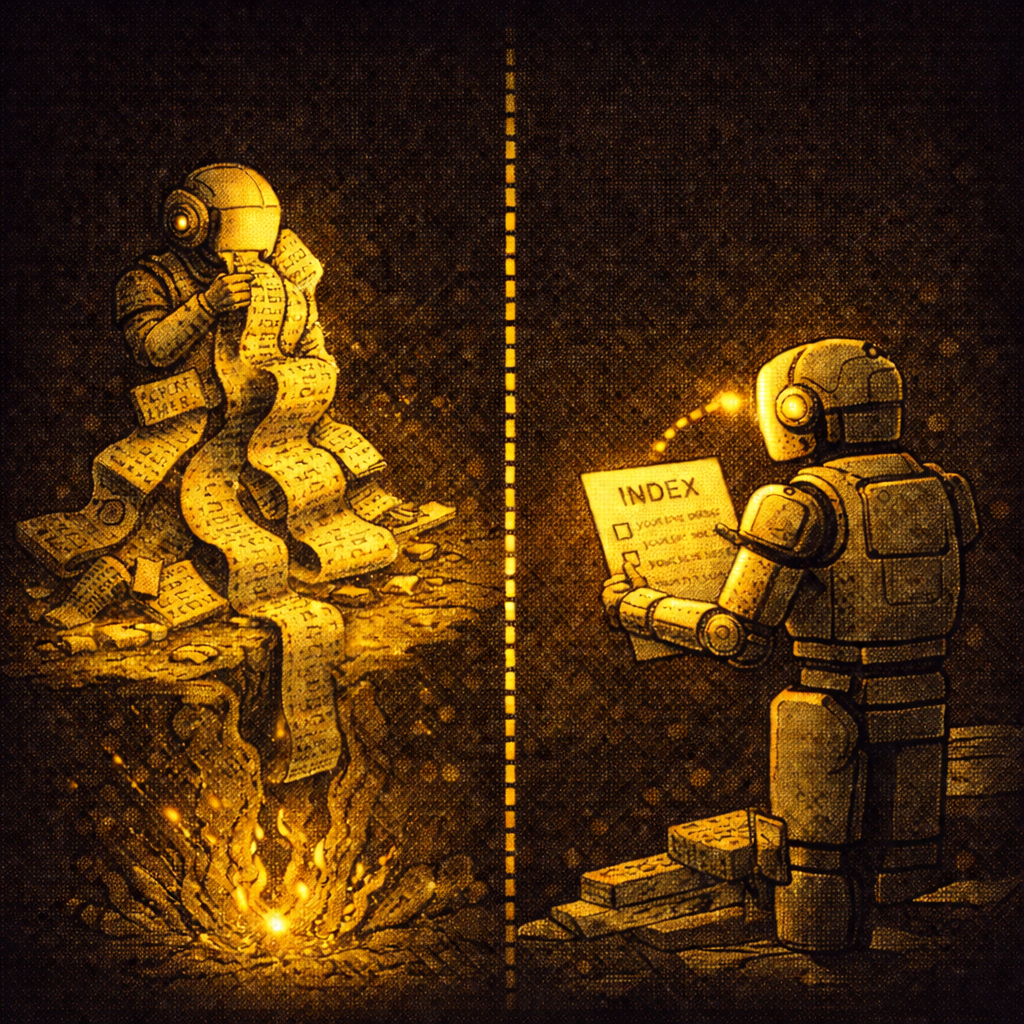
At some point, the AI’s coherence starts slipping. It starts to suggest things that contradict decisions made last week. You spend more time re-explaining than building. The conversation becomes archaeological, digging through history to remind the AI what it already knew.
Most teams accept this as inevitable. It isn’t.
The teams that figure this out stop trying to fix it with better prompts or bigger context windows.
They fix it structurally. They give the AI a persistent map of the system it’s building: component locations, architectural decisions, design rationale, the why behind the what.
The idea is not for the AI to “remember” in a human sense, but to reconstruct the right context on demand, before every task, without human intervention.
That’s a productivity moat.
Not a flashy one, nor one that looks impressive in a pitch deck, but a durable one because it compounds.
Every decision documented becomes future context. Every architectural choice preserved becomes future coherence. The system gets smarter about your specific domain over time, not just smarter in general.
General AI gets better at everything. Your system gets better at yours.
The practical test:
- Can your AI collaboration survive a month-long project without coherence drift?
- Can it reconstruct why you made that tradeoff six weeks ago?
- Can it tell you where something lives without being told every session?
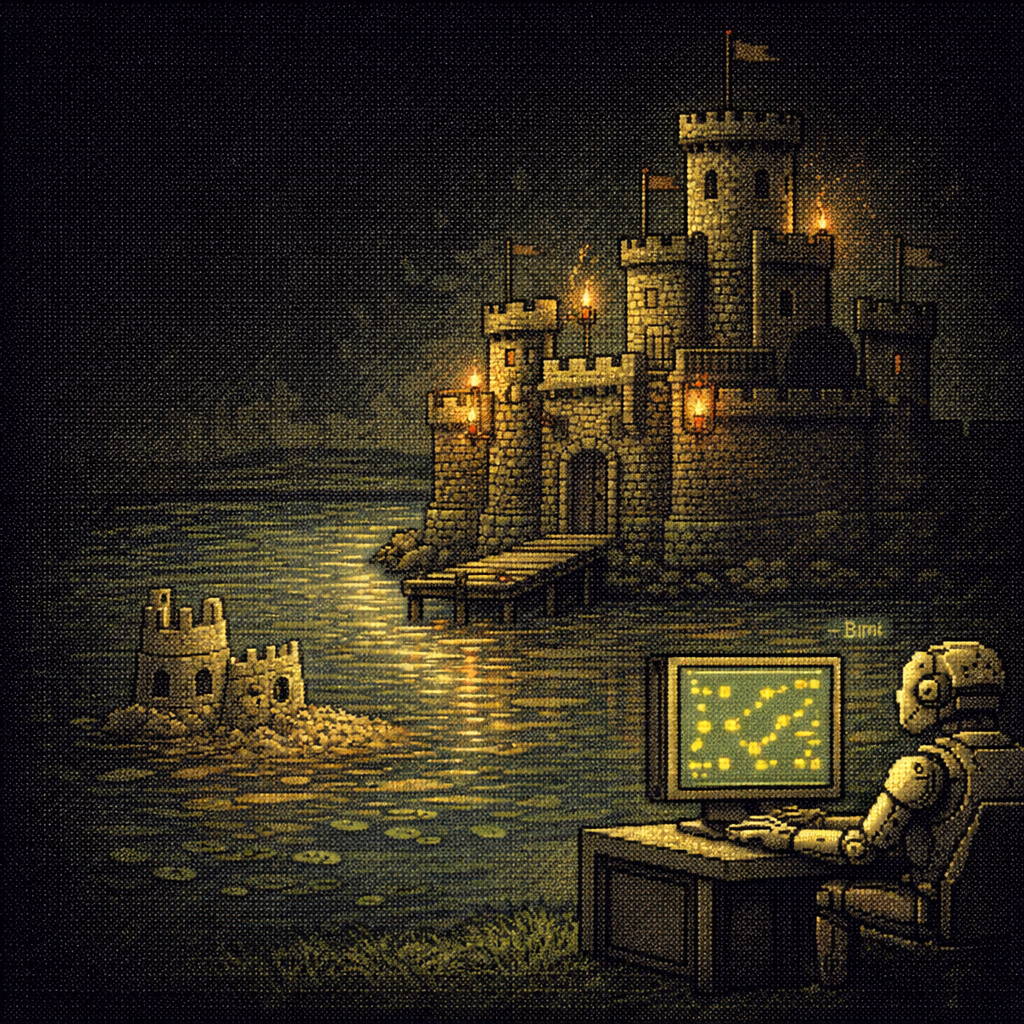
If not, you’re not building a moat. You’re rebuilding the same sandcastle every morning that’ll be washed away come next session.
Memory isn’t, and shouldn’t be a feature. It’s the difference between AI that works for you once and AI that works with you over time - and that’s a moat worth building.